I went to Tirta Empul on a Tuesday morning at six, when the spring-fed pools were still empty and the Balinese grandmothers were arriving with their offerings balanced on their heads. I had come with my daughter, who is thirty-one and lives in Singapore, and her daughter, who is four and has very firm opinions about where to stand in a line. Three generations of women, stepping into the same water that has been rising out of the same aquifer for a thousand years.
The water is cold. This is the first thing to know. The spring, which emerges from the ground at the base of a small temple complex in central Bali, is filtered through limestone and volcanic rock for decades before it reaches the surface, and it comes out at a temperature that, in the early morning, makes you gasp. The Balinese call this the “wake-up” part of the ritual. They are not entirely joking.
What older travelers find in Bali—and what I found again, at sixty-three, standing in that cold water next to a granddaughter who was very serious about the business of getting wet—is the reminder that ritual is not a performance. It is a returning.
The ritual at Tirta Empul is, if you are a non-Balinese visitor, best approached with a local guide who can explain the order. There are thirteen spouts along the main pool. You move from left to right, bowing under each one in turn, letting the water strike the crown of your head. Certain spouts are reserved for the dead, and are not for living supplicants to use. Our guide, a woman in her fifties named Wayan, pointed these out quietly, with a palm raised, no judgment, the way one would redirect a distracted grandchild.
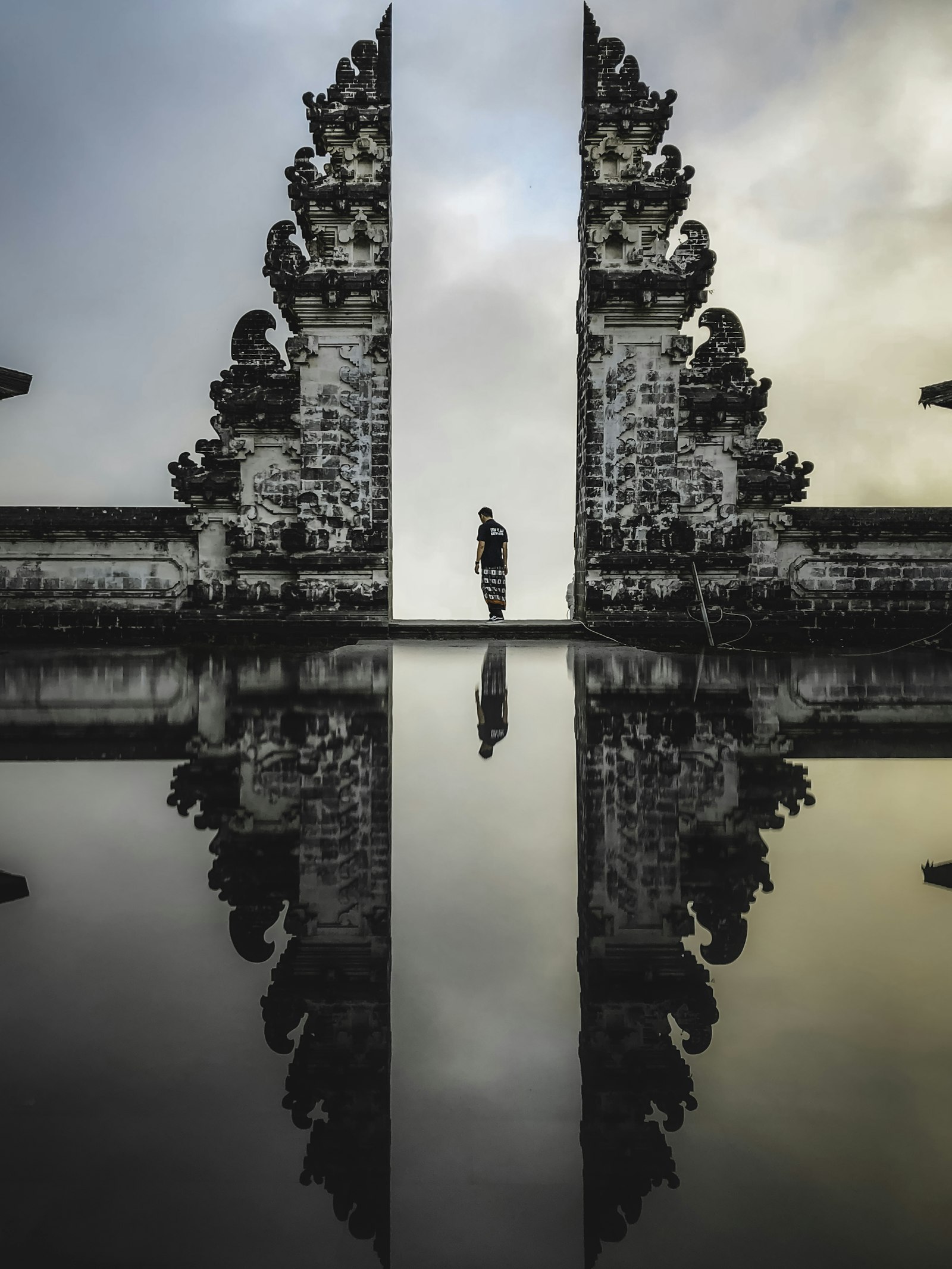
What I was not prepared for was the collective quality of it. You are never alone at Tirta Empul, even at six in the morning. A line forms behind each spout. You bow, the water strikes your head, you straighten up, you step aside, and the next person steps in. Sometimes it is a Balinese woman in a sarong. Sometimes it is a European backpacker with visible tattoos. The water does not notice. Neither does anyone else. A kind of quiet, wet democracy is established.
My granddaughter, who had been skeptical of the whole enterprise up until the moment her small head was under the first spout, emerged a convert. “Again,” she said, very clearly, to her mother. We went through the ritual three times. By the end, we were all shivering, all smiling, all—though none of us would have used the word aloud—transformed.
The older I get, the more I believe that the right kind of travel is the kind that lets your granddaughter see you small. Cold. Bowed. Not in charge. Lined up with everyone else, under the water, receiving what comes.